



All-On-X vs Traditional Dentures: Which Is Right For You in 2026?
Updated On:
August 22, 2026
Contents
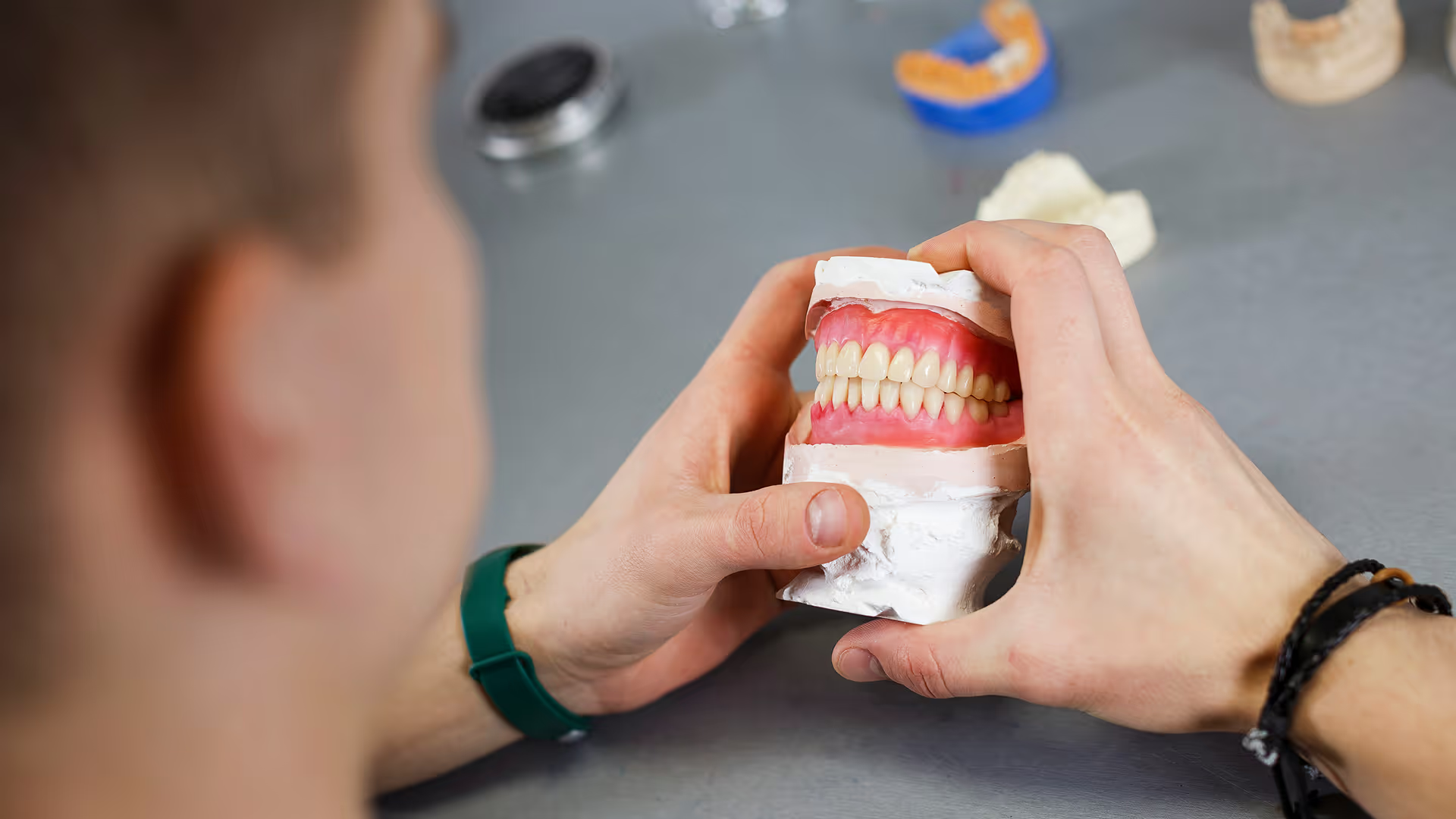
If you are missing most or all of your teeth in an arch, you have two main paths forward in modern dentistry: traditional removable dentures or All-On-X full-arch dental implants. Both replace missing teeth. Both restore your smile cosmetically. But the day-to-day experience of living with one versus the other could not be more different.
This guide compares All-On-X and traditional dentures honestly across the factors that actually matter to patients: cost over time, comfort, eating ability, speech, bone preservation, lifespan, and maintenance. By the end, you will have a clear picture of which option fits your priorities, your budget, and your lifestyle.
What Is the Difference Between All-On-X and Traditional Dentures?
Traditional dentures are removable prosthetic teeth that rest on top of your gums. They are held in place by suction, denture adhesive, or both. Patients take them out at night for cleaning and to give the gums a rest.
All-On-X dental implants are permanent, non-removable replacement teeth supported by 4 to 8 titanium implants surgically placed in your jawbone. The implants fuse with your bone over 3 to 5 months and act as artificial tooth roots, supporting a fixed zirconia bridge that you brush and floss just like natural teeth.
The fundamental difference: dentures sit on your gums. All-On-X teeth are anchored into your bone. That single distinction drives every other difference between the two options.

Cost Comparison: Upfront vs Long-Term
Traditional dentures usually have a lower initial cost. All-On-X requires a greater upfront investment because treatment includes implant placement, surgery, and a fixed restoration. The exact cost depends on your bone condition, number of implants, sedation needs, and final restoration materials.
Long-term denture expenses may include adjustments, relines, repairs, adhesives, and periodic replacement. All-On-X may involve fewer routine replacement expenses, but the bridge and other restorative components can still require professional maintenance, repair, or eventual replacement.
A fair comparison should use itemized estimates for both options based on your specific needs. Neither treatment is guaranteed to be less expensive over a lifetime. Our team will explain the immediate and anticipated long-term costs during your consultation.
For a complete pricing breakdown and financing options, visit our Cost of Dental Implants page.
Eating: What You Can and Cannot Chew
This is where the two options diverge most dramatically.
Traditional dentures restore about 25% of your natural biting force. Steaks, raw vegetables, crusty bread, apples, corn on the cob, and many nuts become difficult or impossible. Many denture wearers gradually adapt their diet to softer foods, which can lead to nutritional gaps over time.
All-On-X restores roughly 90% of natural biting force because the implants transmit pressure directly into your jawbone, just like natural teeth. Patients return to eating steak, raw apples, nuts, and corn on the cob the same way they did before tooth loss. For many All-On-X patients, the first apple they eat in years is one of the most emotional moments of their treatment.

Speech: Slurring and Clicking
Traditional dentures can shift during speech, causing clicking sounds, slurred consonants, and the constant need to readjust them with the tongue. Many denture wearers report feeling self-conscious about speaking in meetings, social gatherings, or on the phone.
All-On-X teeth do not move. They are bolted into your jaw. Speech sounds exactly like it did with natural teeth, with no clicking, no slipping, and no readjustment. Patients often describe the relief of forgetting they have implants at all.
Bone Preservation: The Hidden Long-Term Cost of Dentures
This is the factor most denture wearers do not understand until it is too late.
Your jawbone is stimulated by the pressure of chewing transmitted through tooth roots. When natural teeth are removed and replaced with dentures, the bone stops receiving that stimulation. Over time, the jawbone resorbs (shrinks) at a rate of about 25% in the first year and continues shrinking gradually for the rest of your life.
This is why long-term denture wearers develop the "sunken in" facial appearance and why dentures need to be relined repeatedly. The bone supporting them is literally disappearing underneath.
All-On-X stops bone loss entirely. The implants act like natural tooth roots, transmitting chewing pressure into the bone and preserving its volume and density indefinitely. For patients who have already lost significant bone, we offer zygomatic implants as an alternative that bypasses the missing bone entirely.
Lifespan and Maintenance
Traditional dentures: 5 to 7 years between replacements. Daily removal for cleaning, overnight soak in denture solution, regular relines as bone shrinks, and the constant management of slippage.
All-On-X: All-On-X implants and restorations are designed for long-term use, but their longevity varies by patient health, implant integration, oral hygiene, bite forces, and professional maintenance. The implants may remain stable for many years, while the bridge can eventually require repair or replacement due to normal wear. Brush daily, clean underneath the bridge as instructed, and attend the professional maintenance visits recommended by your dental team.
Who Should Choose Each Option?
Traditional dentures may be the right choice if you:
- Have severe health conditions that make surgery risky
- Need an immediate solution while saving for permanent treatment
- Genuinely cannot accommodate implants even with bone grafting or zygomatic alternatives
- Prefer removable prosthetics for personal reasons
All-On-X is the better choice if you:
- Want to eat all the foods you love without restriction
- Are tired of denture slippage, adhesives, and the constant management
- Want to preserve your jawbone and facial structure for the long term
- Want a permanent solution you do not have to think about every day
For patients who want something between the two, our implant-supported snap-on dentures offer many of the benefits of All-On-X at a lower price point.
In Conclusion
The choice between All-On-X and traditional dentures is not only about initial cost. It also depends on your health, bone condition, treatment goals, lifestyle, and willingness to maintain the restoration.
Dentures generally cost less initially but require daily removal and ongoing adjustments. All-On-X requires surgery and a greater upfront investment but provides fixed teeth and stronger chewing function for suitable candidates. A consultation and 3D CBCT evaluation with Dr. Alan Meskin can help determine which option best fits your clinical needs and goals.
Frequently Asked Questions
 DR. ALAN MESKIN