


Single Tooth Implants in Hackensack, NJ
What Is a Single Tooth Implant?
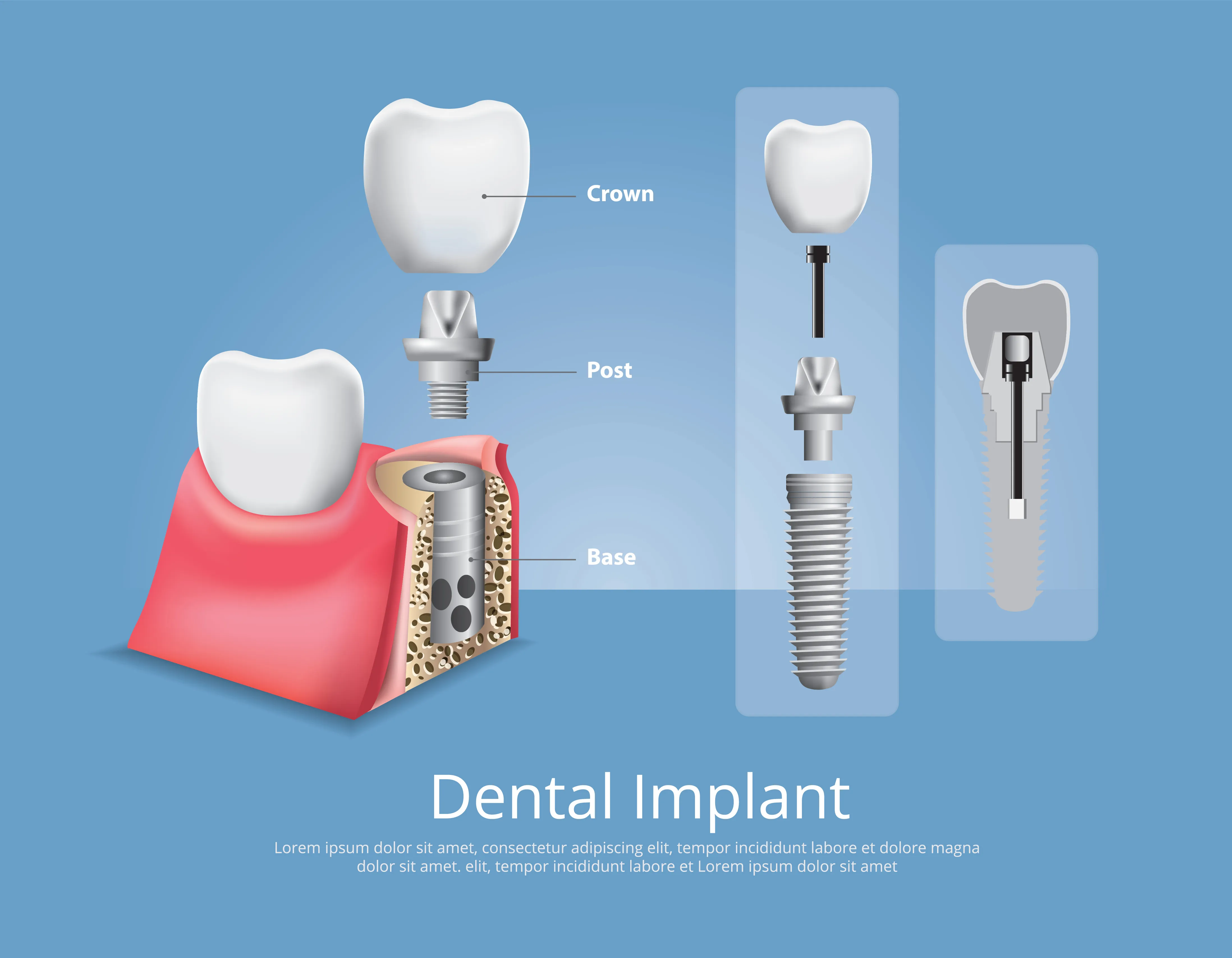
What makes it different from a bridge is important. An implant stands on its own. It does not lean on the teeth next to it, which means those healthy teeth are left completely alone. A bridge, by contrast, only works by grinding down the two teeth on either side of the gap to anchor it.
Because the post sits in the bone the way a real root did, it also keeps the jawbone stimulated and healthy. You care for it exactly like a natural tooth. Brush it, floss it, and it can last for many years.
Schedule Your Consultation
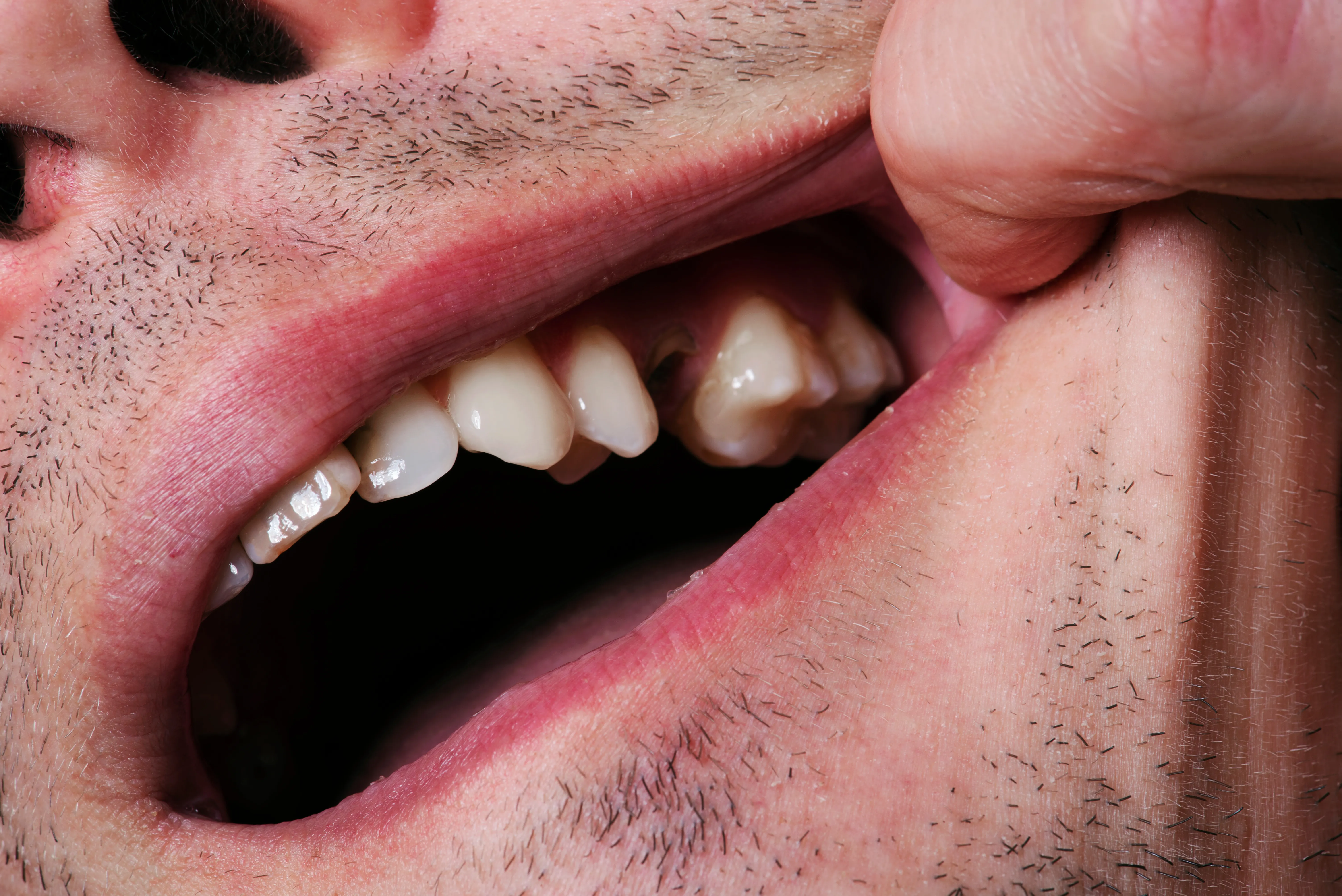
What a Single Tooth Implant Can Fix

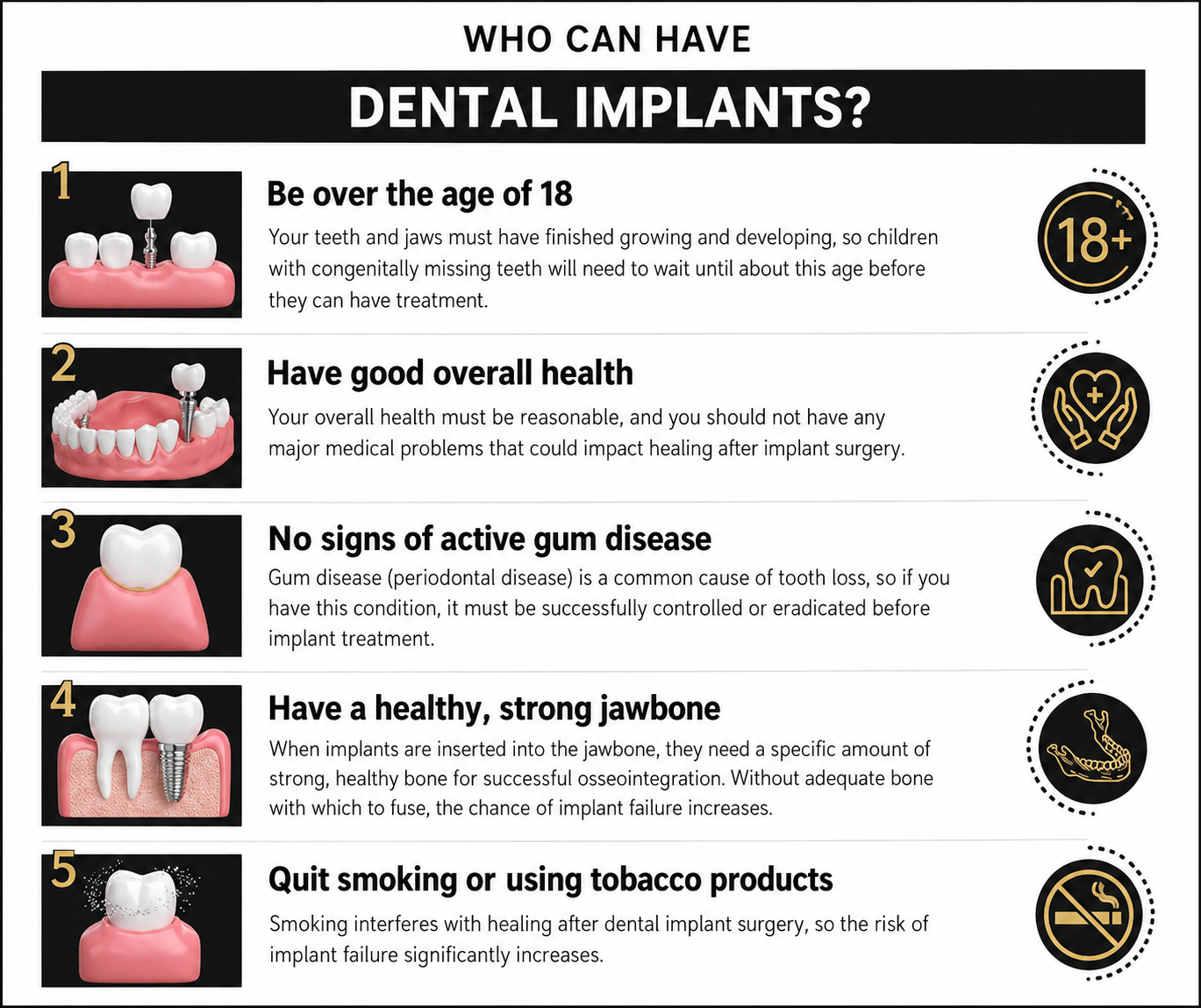
Who is a Good Candidate for a Single Tooth Implant?
Why Patients Choose Dr. Meskin to Replace a Tooth
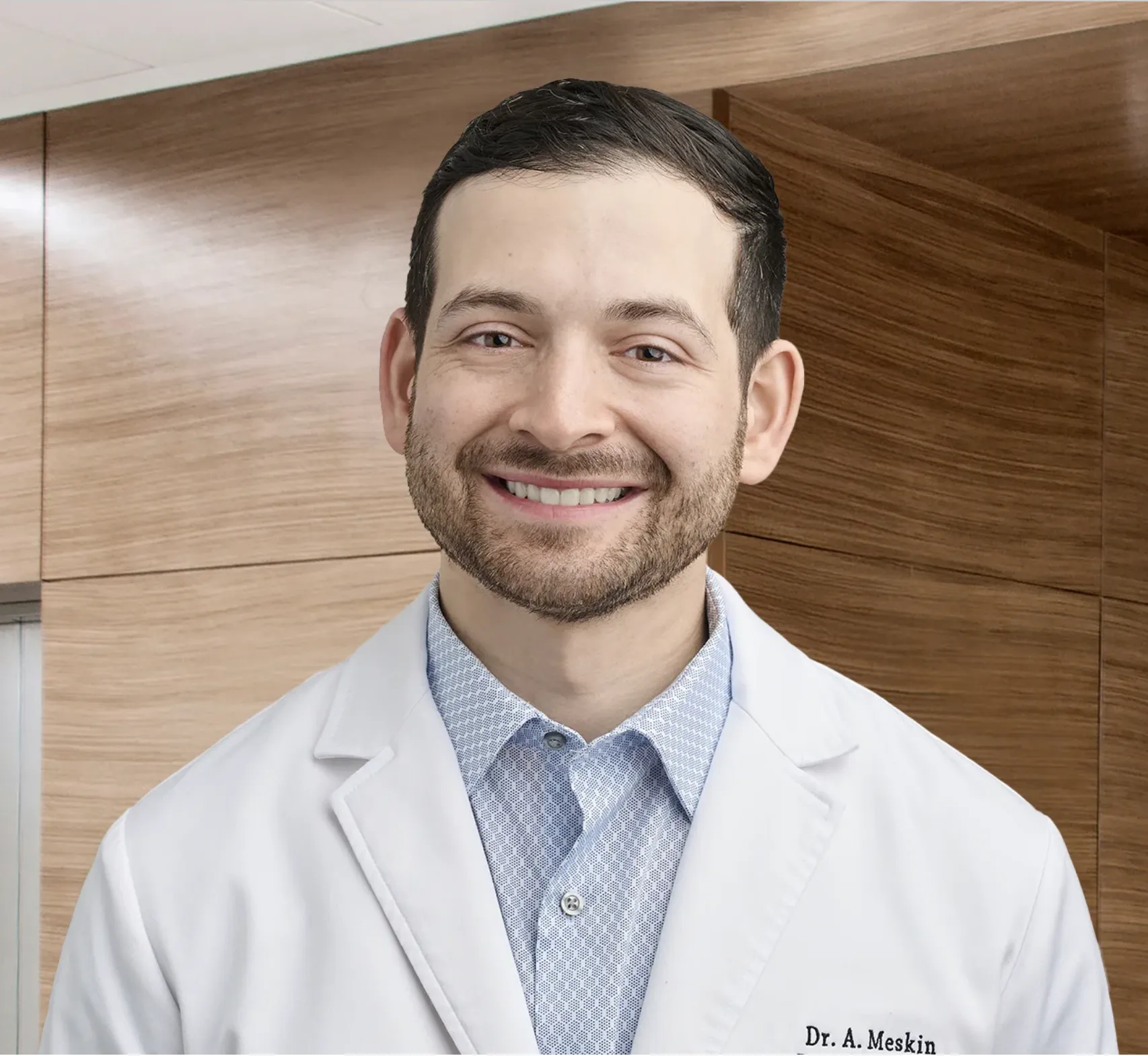
Dr. Meskin is a prosthodontist dedicated to one thing: replacing and restoring teeth so they look, feel, and function like the ones you were born with. He earned his Doctor of Dental Surgery degree and completed his specialty training in prosthodontics at NYU, then refined his implant work as an associate prosthodontist at ClearChoice, one of the largest dental implant networks in the country. Today he leads Hackensack Center for Dental Implants, where every case is planned in 3D, fabricated in an on-site lab, and designed around the patient sitting in front of him. He provides care in English, Spanish, and Russian.
Dr. Alan Meskin, DDS – Credentials
- Doctor of Dental Surgery (DDS), NYU College of Dentistry
- Certificate in Prosthodontics, NYU College of Dentistry
- Associate Prosthodontist, ClearChoice Dental Implant Centers
Dr. Alan Meskin, DDS – Recognition
- Patients describe him as an artist with a gentle touch whose restorative work looks so natural no one can tell.
- 4.7 stars on Google with over 1,000 reviews.
- Complex and referred-out cases trusted to him by other dental offices.
Your Treatment Journey
Schedule Your Consultation

Consultation and 3D Planning
Your first visit is about understanding your mouth and confirming an implant is the right move before anything else happens. Dr. Meskin reviews your history, examines the gap and the teeth around it, and takes a 3D cone beam scan so the whole case is planned against your exact anatomy. Because this visit covers a lot, here is what it includes:
- Assessing the gap, your bite, and the health of the neighboring teeth
- A 3D scan that measures the bone and locates the nerves and sinuses to avoid
- Flagging anything needed first, such as removing a failing tooth or a small graft
- A firm written estimate, a timeline, and a conversation about sedation if you want it
Removing the Tooth and Preparing the Site
This step only applies if the tooth is still in place or the site needs building up. If a failing tooth has to come out, we remove it as gently as possible and, in many cases, place a small bone graft into the socket at the same time to preserve the bone for the implant. Where a tooth has been missing for a while and the bone has already shrunk, a graft rebuilds the site first. If your bone is already healthy and the gap is ready, we skip straight to placement.
Placing the Implant
Placement is a focused, minor procedure, often done in under an hour and comfortable enough that most people are surprised afterward. We make sure you are numb and relaxed, with sedation if you chose it, then set the titanium post into the jawbone in the exact position from your plan through a small opening in the gum. A healing cap is usually added on top to shape the gum for a natural crown margin. If the gap shows when you smile, we fit a temporary tooth so you never leave with a visible space.
Healing and Osseointegration
This is the quiet stretch that does most of the work. Over the next few months the implant fuses with your jawbone, a process called osseointegration, which is what gives the finished tooth its strength and permanence. There is little to notice day to day. You stay on normal foods, chewing on the other side near the site, and we see you for a quick check or two to confirm healing is on track.
Fitting Your Final Crown
Once the implant has fully fused, you come back for the part that makes it look like it was always there. We take a detailed impression and craft a crown matched to the shade and shape of the teeth beside it, then secure it to the implant, usually with a small screw through the top that we cover with tooth-colored filling so it is invisible. The finished tooth looks, feels, and works like the one you lost, and Dr. Meskin continues to care for it long term.


What to Expect From Recovery
A Typical Single Implant Timeline
Every case is a little different, but most single implants follow a similar path from placement to final crown. Here is a general picture of what to expect.
Day 0
Implant placed. Mild soreness or swelling is normal.
Days 1 to 3
Most people return to work and normal activity.
Days 4 to 7
Any soreness settles. Eat carefully around the site.
Weeks 2 to 4
Gum tissue heals over the implant.
Months 1 to 3
The post fuses with the bone.
Months 3 to 6
Abutment and custom crown placed. Your tooth is complete.
Single Tooth Implant vs a Dental Bridge
Single Tooth Implant | Dental Bridge | |
|---|---|---|
| Healthy teeth | Stands on its own. The teeth on either side are never touched. | The two neighboring teeth must be ground down to hold the bridge, even if they are healthy. |
| Jawbone health | The post acts like a tooth root and preserves the bone where the tooth was lost. | Does nothing for the bone under the gap, which continues to shrink over time. |
| Stability and function | Fixed in the jaw, with biting strength close to a natural tooth. | Solid, but relies on the strength of the teeth it is cemented to. |
| Appearance | The crown emerges from the gum like a real tooth, matched to blend in. | Looks good, but the false tooth rests on the gum rather than growing from it. |
| Cleaning | Brush and floss like a normal tooth. | You have to clean underneath the false tooth with special floss or picks. |
| Longevity | Designed to last for many years, often for life with good care. | Typically needs replacing every 10 to 15 years, and the ground-down teeth stay altered for good. |
| Cost | Higher upfront, better value over the long run. | Lower upfront, but repeat replacements and risk to the anchor teeth add up. |

Key Features:
- Soft credit check, no impact to apply
- 0% APR for qualifying applicants, no deferred interest
- Plans from 3 to 60 months
- Fast online application with a quick decision

Key Features:
- Options for a range of credit profiles
- Flexible terms for larger cases
- Guided by our treatment coordinators

Key Features:
- Built for larger, comprehensive cases
- Longer-term installment options
- 0% APR options for qualifying applicants

Key Features:
- Widely accepted healthcare financing
- Promotional no-interest periods when paid in full on time
- Soft credit check option to apply
Experience Exceptional Dental Care