

All-on-X in Hackensack, NJ
What Is All-on-X?
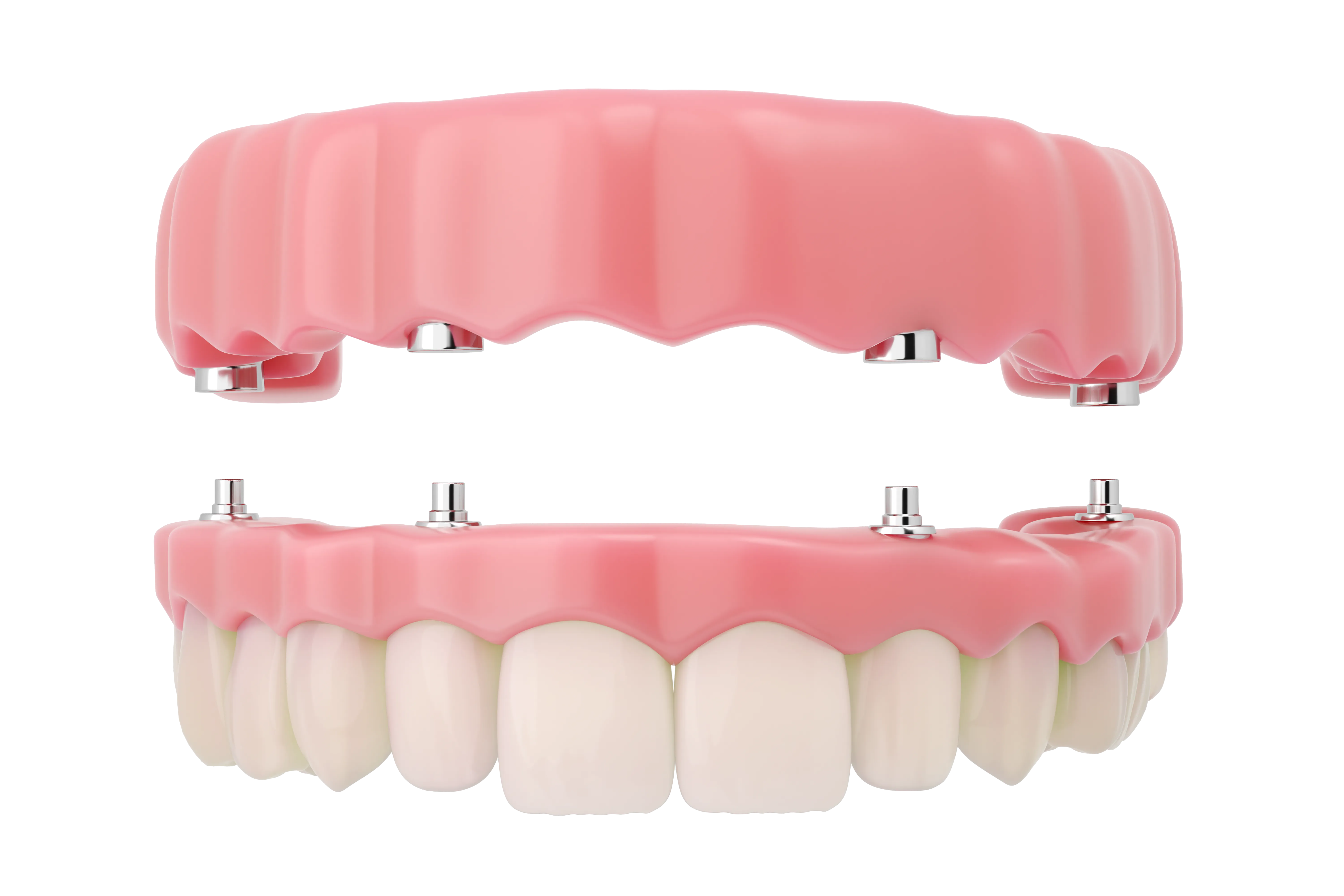
What sets it apart from dentures is simple. Nothing comes out. The teeth are anchored to the implants, so they stay put while you eat, talk, and laugh. No adhesives, no slipping, nothing to take out at night.
For most of our patients, the timeline is the part they did not expect. Because we plan everything in 3D beforehand and have our own lab on site, most people leave on the day of surgery with a fixed set of temporary teeth. You are never sent home without a smile.
Schedule Your Consultation
What All-on-X Can Fix

Who All-on-X Works For
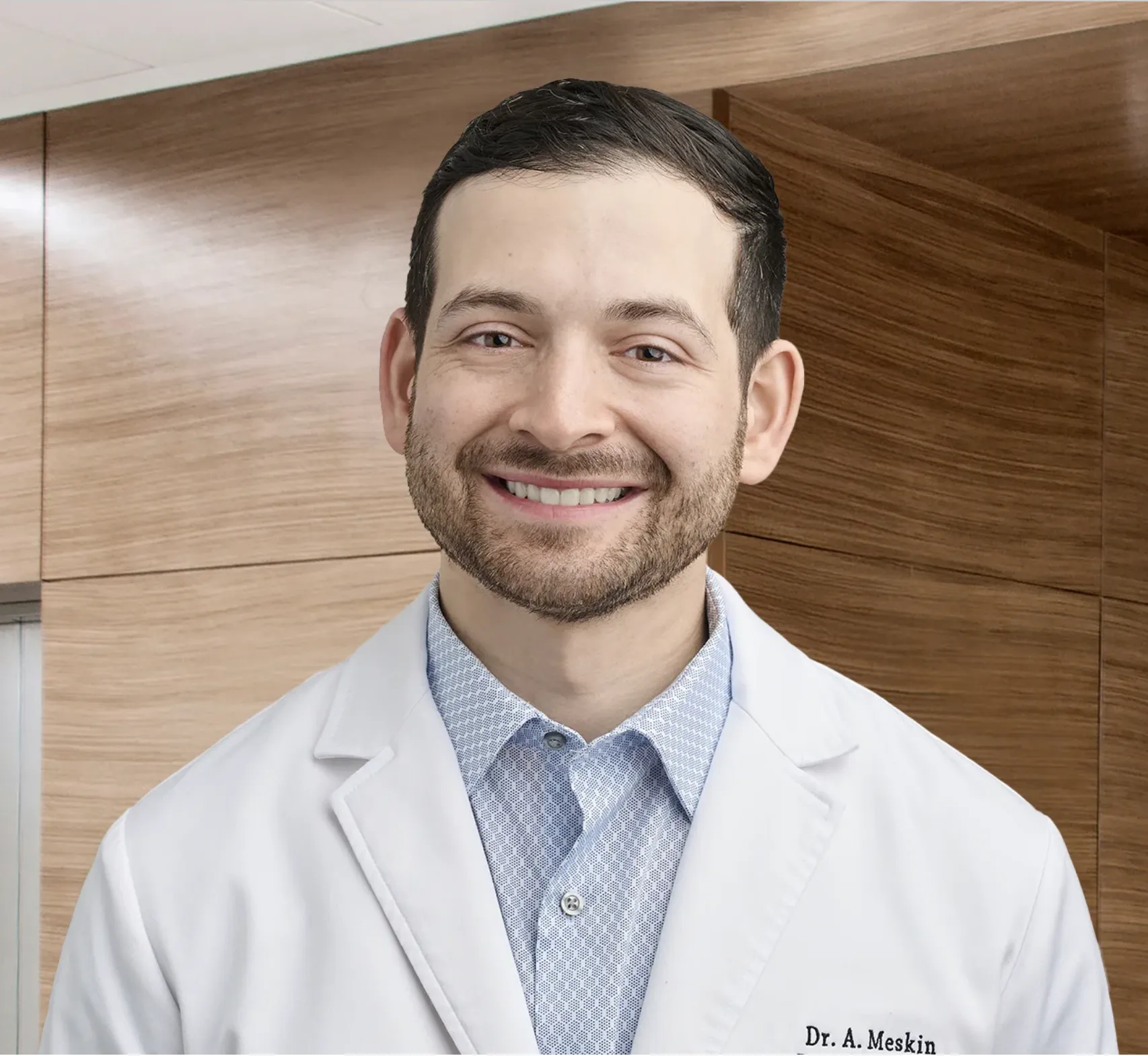
Why Patients Choose Dr. Meskin for Full-Arch Care
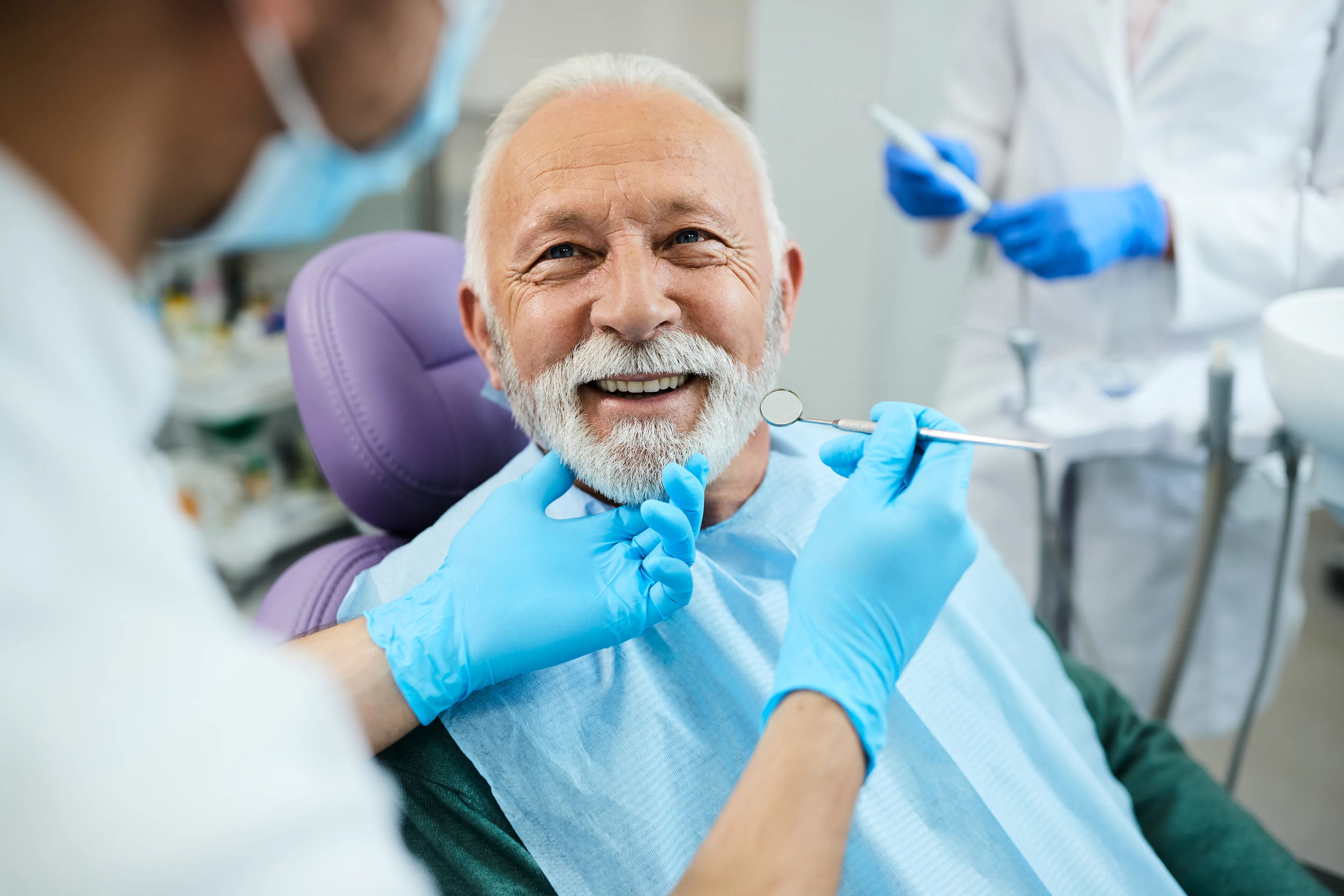
Dr. Meskin is a prosthodontist dedicated to one thing: replacing and restoring teeth so they look, feel, and function like the ones you were born with. He earned his Doctor of Dental Surgery degree and completed his specialty training in prosthodontics at NYU, then refined his implant work as an associate prosthodontist at ClearChoice, one of the largest dental implant networks in the country. Today he leads Hackensack Center for Dental Implants, where every case is planned in 3D, fabricated in an on-site lab, and designed around the patient sitting in front of him. He provides care in English, Spanish, and Russian.
Dr. Alan Meskin, DDS – Credentials
- Doctor of Dental Surgery (DDS), NYU College of Dentistry
- Certificate in Prosthodontics, NYU College of Dentistry
- Associate Prosthodontist, ClearChoice Dental Implant Centers
Dr. Alan Meskin, DDS – Recognition
- Patients describe him as an artist with a gentle touch whose restorative work looks so natural no one can tell.
- 4.7 stars on Google with over 1,000 reviews.
- Complex and referred-out cases trusted to him by other dental offices.
Your Treatment Journey
Schedule Your Consultation

Consultation and full workup
Your first visit is a real diagnostic appointment. Dr. Meskin examines your remaining teeth and gums, reviews your medical history in detail (some medications and health conditions affect implant healing), and takes a 3D scan of both jaws. The scan is not a formality. It is where your treatment is actually planned. It shows:
- Exactly where the nerve runs in your lower jaw, so implants can be placed safely around it
- Where your sinuses sit in your upper jaw, so we can plan around them and often avoid needing a sinus lift
- How dense your bone is in each spot, which tells us whether your temporary teeth can go in the same day as surgery
- The shape of your jawbone, so we can plan a comfortable, natural fit
- How the ideal position of your new teeth lines up with the bone we have to anchor them
At the end of the visit, Dr. Meskin walks you through the findings and gives you a written plan. It includes the number of implants, the type of temporary and final teeth, the timeline, and the total cost.
Designing your new teeth and the surgical guide
Before your surgery is scheduled, your case is designed in detail. Your new teeth are drawn first, shaped around your face, lip line, smile, and bite. Then the implants are positioned virtually against your 3D scan to support those teeth perfectly.
That order matters. Some offices do it in reverse: they place implants wherever the bone is easiest, then try to build teeth to fit. The smile that comes out of that approach is a compromise. Doing it teeth-first is the difference between an average result and one that fits your face.
From that plan, a surgical guide is made. On surgery day, the guide fits over your gum and controls exactly where each implant goes. Placing implants without a guide in a full-arch case invites problems:
- Angles that force the teeth into positions you cannot clean easily
- Teeth that sit against your gum in ways that trap food and cause irritation
- Extra parts and adapters that add cost and weaken the final result
Your fixed temporary teeth are made ahead of time too, ready to attach the same day your implants are placed.
Surgery day
Surgery happens in one appointment. In that visit:
- Any remaining failing teeth in the arch are removed
- The gum and bone are prepared using the surgical guide
- Four to six implants are placed in the planned positions
- Any bone grafting needed at a specific site is done at the same time
Whether your temporary teeth are attached the same day depends on how firmly the implants sit in the bone the moment they go in. When they are solid enough, small connectors are attached, your temporary teeth are secured onto them, and the implants are linked so they share the pressure evenly during healing. If one implant is not quite firm enough for that same-day attachment, we cover it while it heals and you wear a temporary removable set until the final teeth go on. That decision is made during surgery based on what we see, not committed to in advance.
Sedation is available up to IV sedation, so you are comfortable throughout. Most patients tell us the day was much easier than they had feared, and they leave with fixed teeth and clear instructions for the next few days on eating, cleaning, and pain relief.
Healing
Over the next three to six months, your implants fuse to your jawbone in a process called osseointegration. This is what turns them from placed screws into permanent tooth roots. During this healing time, your temporary teeth are doing more than filling the space. The way they are shaped where they meet your gum guides how your gums heal around each implant, so by the time your final teeth are made, your gum line is already the right shape to frame them.
You wear the temporary teeth normally, eat soft food for the first two weeks, then gradually return to a regular diet, avoiding anything hard or sticky on the temporaries until the finals go on. Check-in visits are short and let Dr. Meskin confirm your implants are integrating well and adjust the temporaries as your gums settle. Most patients are back to their normal day within a week of surgery.
Your final teeth
Once your implants are fully fused, the temporary teeth come off and your final teeth are made in our on-site lab. Impressions and photos are taken, and the shape, color, length, and how the teeth support your lips are refined right in the chair before your finals are completed.
You have a choice of materials, and Dr. Meskin will walk you through which is better for your situation. Neither is better in every case:
Solid zirconia. The strongest and most stain-resistant option, keeps its polish for years, well-suited to heavy chewers.
Reinforced acrylic teeth on a titanium bar frame. More forgiving under heavy bite pressure, easier to repair in the office, and often the better choice when the teeth in your opposite jaw are still natural.
Your final teeth are attached with tiny screws, not glued in place. That means Dr. Meskin can remove them for deep cleaning and check-ups without damaging anything, and there is no leftover cement below your gum line to cause problems later. Your bite is balanced across the whole arch so the pressure is shared evenly.
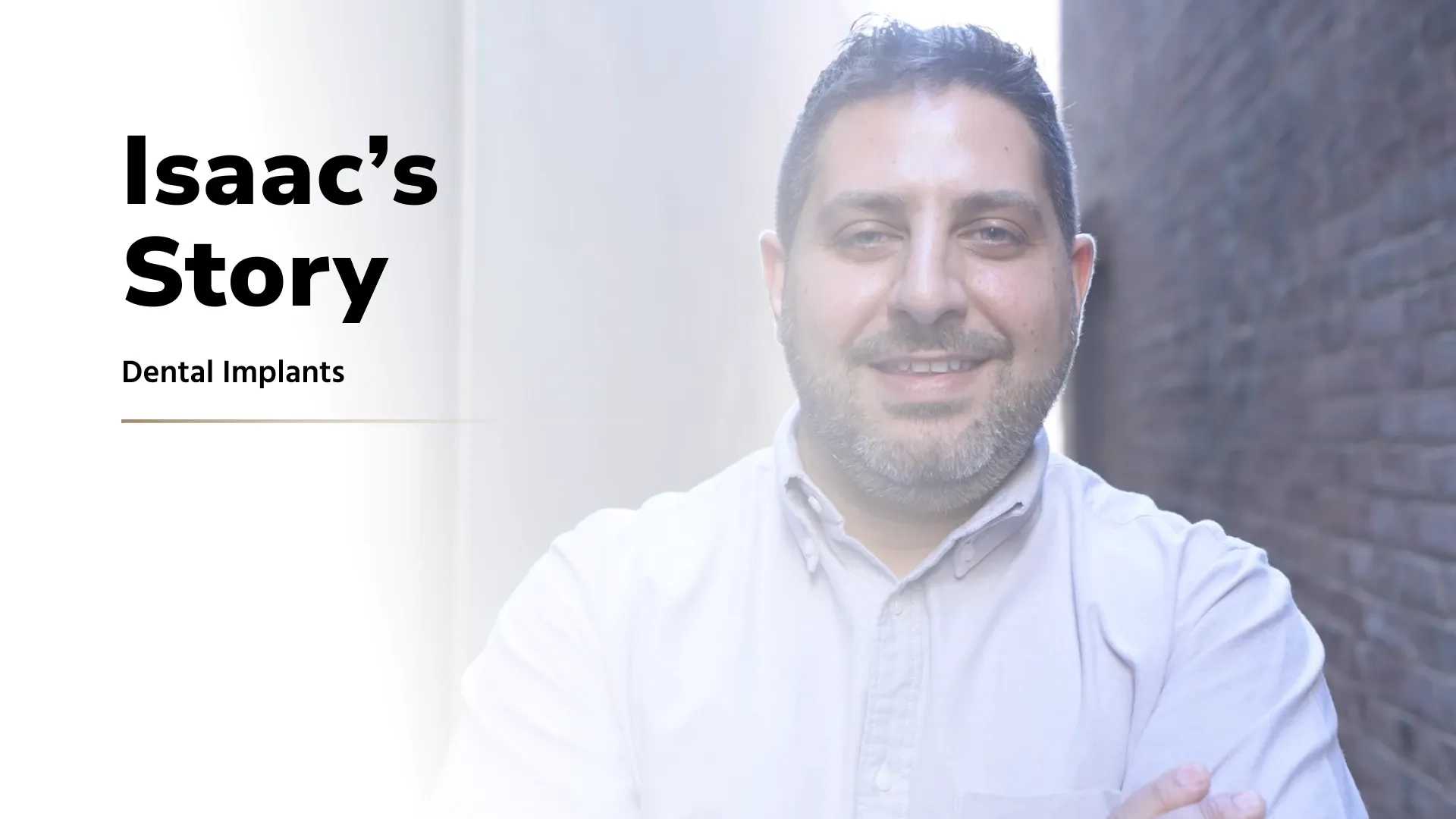

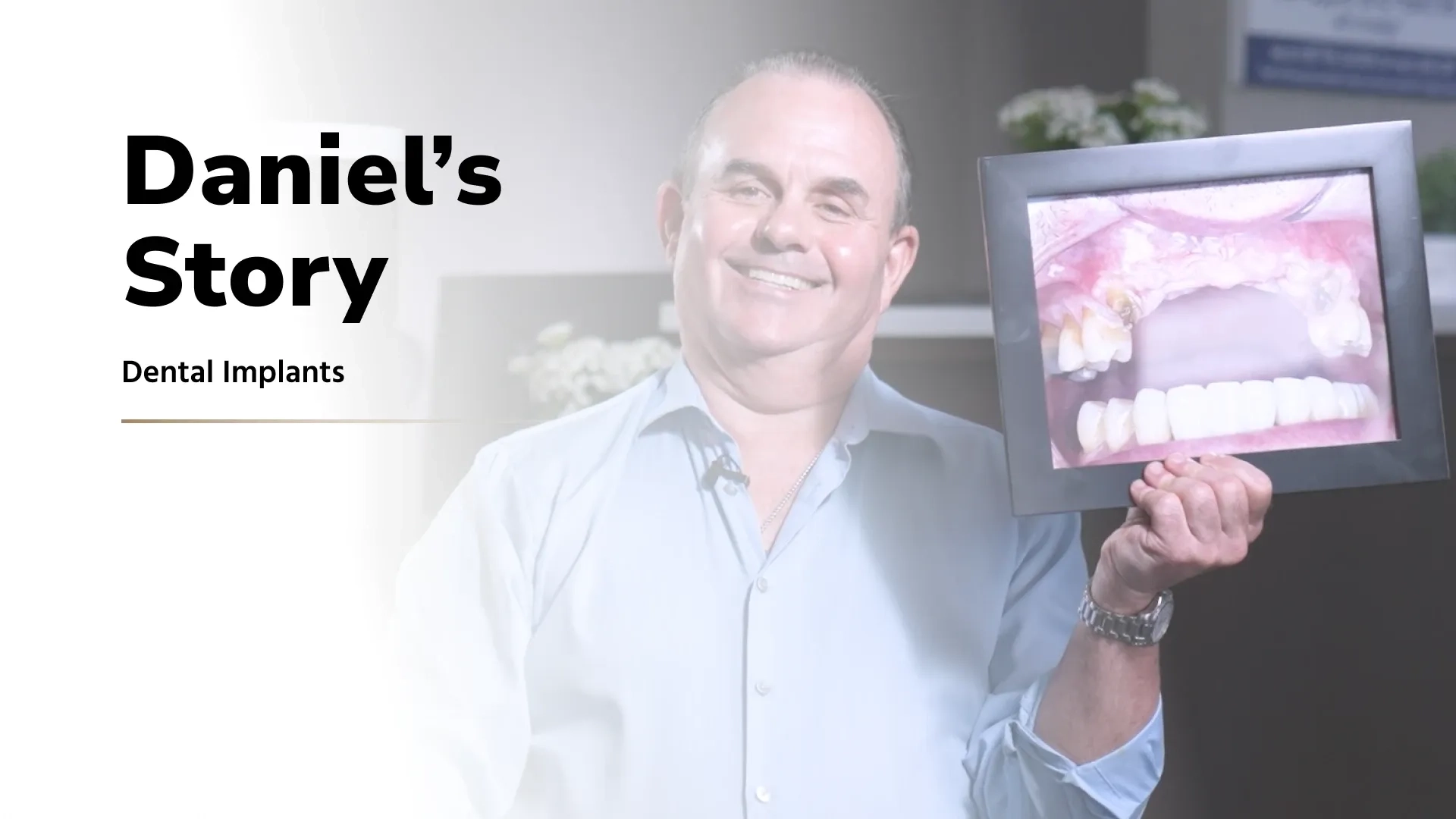

What to Expect From Recovery
A Typical All-on-X Recovery Timeline
Every recovery is a little different, but with careful planning and structured aftercare, most patients follow a similar path. Here is a general picture of what healing tends to look like, week by week.
Day 0
Every recovery is a little different, but with careful planning and structured aftercare, most patients follow a similar path. Here is a general picture of what healing tends to look like, week by week.
Days 1 to 3
Peak swelling and soreness. Soft foods only. Usually milder than expected.
Days 4 to 7
Swelling drops off. Most people return to work.
Weeks 2 to 4
Stitches dissolve and gums heal. Still on a soft diet.
Months 1 to 3
The bone fuses to your implants. Keep protecting them with softer foods.
Months 3 to 6
Final zirconia teeth placed. Back to a normal diet.
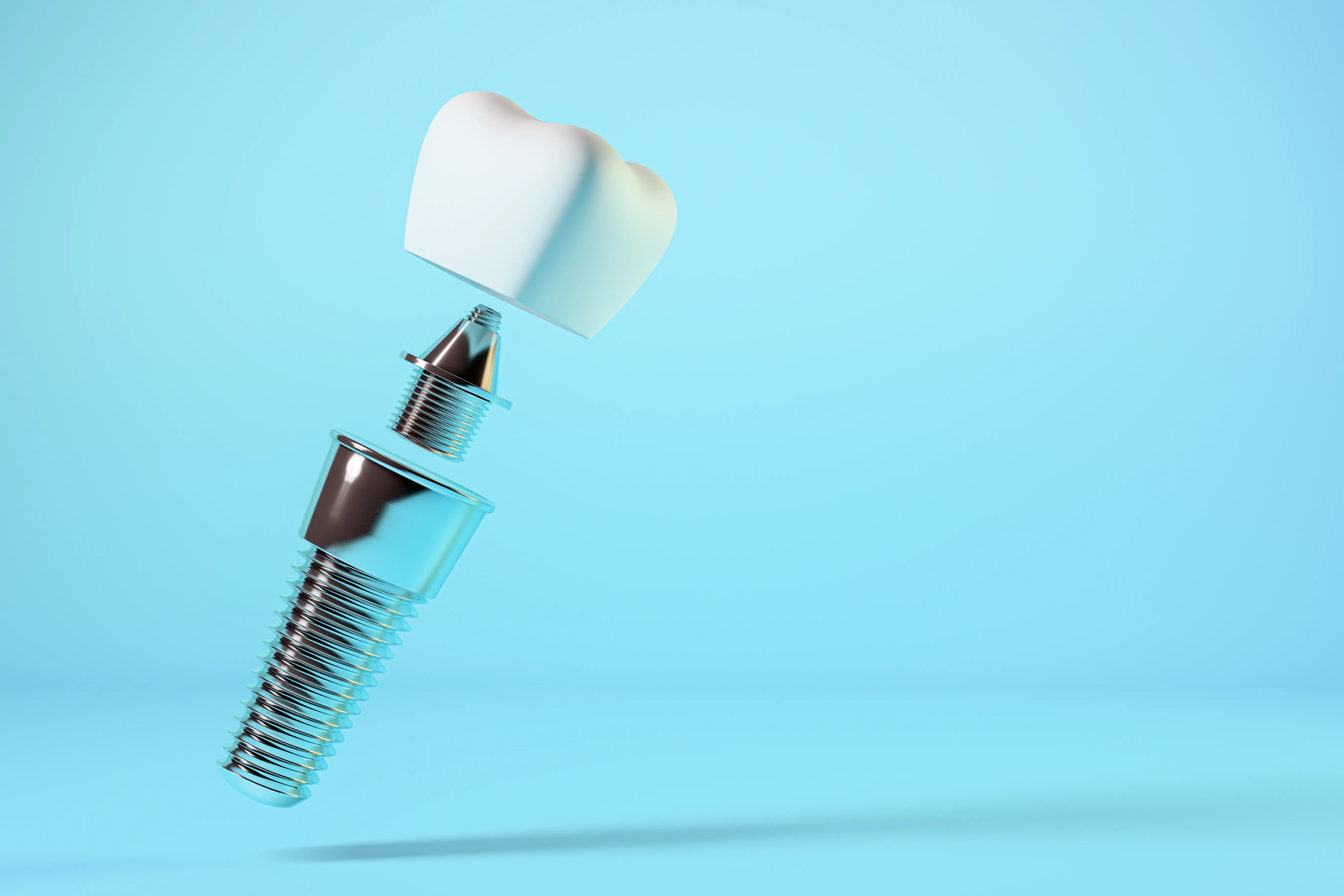
Types of Full-Arch Implants We Offer
Upper Arch All-on-X
Lower Arch All-on-X
Snap-In Overdenture
Full-Mouth (Both Arches)
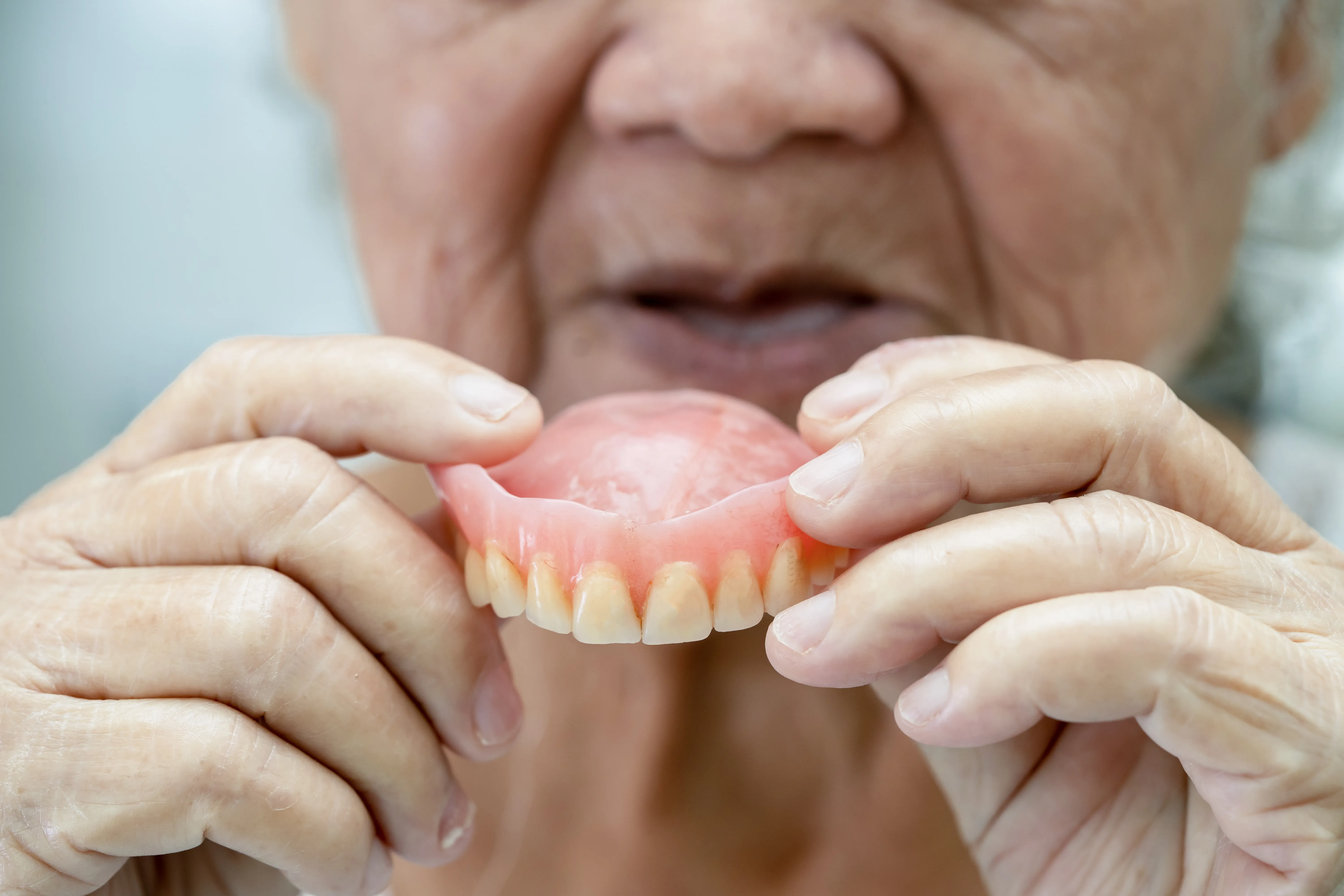
All-on-X vs a Traditional Denture
All-on-X (Fixed Teeth) | Removable Denture | |
|---|---|---|
| Retention | Anchored to implants in the jaw, so they never slip or move. | Rests on the gums and can slip or shift, especially when eating or speaking. |
| Stability | Stable enough to bite and chew almost like natural teeth. | Less stable, so chewing and speaking can be difficult. |
| Comfort | No pressure on the gums, no sore spots, no adhesive. | Can rub and irritate the gums, and often needs adhesive to stay put. |
| Jawbone Health | Implants act like tooth roots and preserve the jawbone and facial support. | Bone keeps shrinking underneath, which changes your bite and ages the face over time. |
| Appearance | Designed around your face for a natural look. | Can look bulky or artificial and may shift when you smile or talk. |
| Durability | Built to last for years, often for life with proper care. | Wears out and needs relines or remakes every few years. |
| Cost | Higher upfront, but better value over the long run. | Lower upfront, though repeat repairs and remakes add up. |

Key Features:
- Soft credit check, no impact to apply
- 0% APR for qualifying applicants, no deferred interest
- Plans from 3 to 60 months
- Fast online application with a quick decision

Key Features:
- Options for a range of credit profiles
- Flexible terms for larger cases
- Guided by our treatment coordinators
Key Features:
- Built for larger, comprehensive cases
- Longer-term installment options
- 0% APR options for qualifying applicants

Key Features:
- Widely accepted healthcare financing
- Promotional no-interest periods when paid in full on time
- Soft credit check option to apply
Experience Exceptional Dental Care